Though the post-covid real estate climate has begun to settle, manufacturers still face more challenges and pressures than ever. This situation presents new opportunities to property owners and investors to deliver on the evolving needs of manufacturers, especially when it comes to matters of industrial real estate that supports modern supply chain and logistics operations. Renovating your existing property or building a new one with an eye towards solving the flow of goods, storage, and distribution challenges can open new opportunities today, while positioning assets for long-term value.
It all comes down to choosing the right partner. You need one that has extensive experience in the skills and disciplines required to renovate or construct modern logistics and supply chain operations. You need a partner that has an understanding not only of architecture, but also structural engineering, automation, refrigeration, and every other factor that will affect the way your structure adapts to the future.
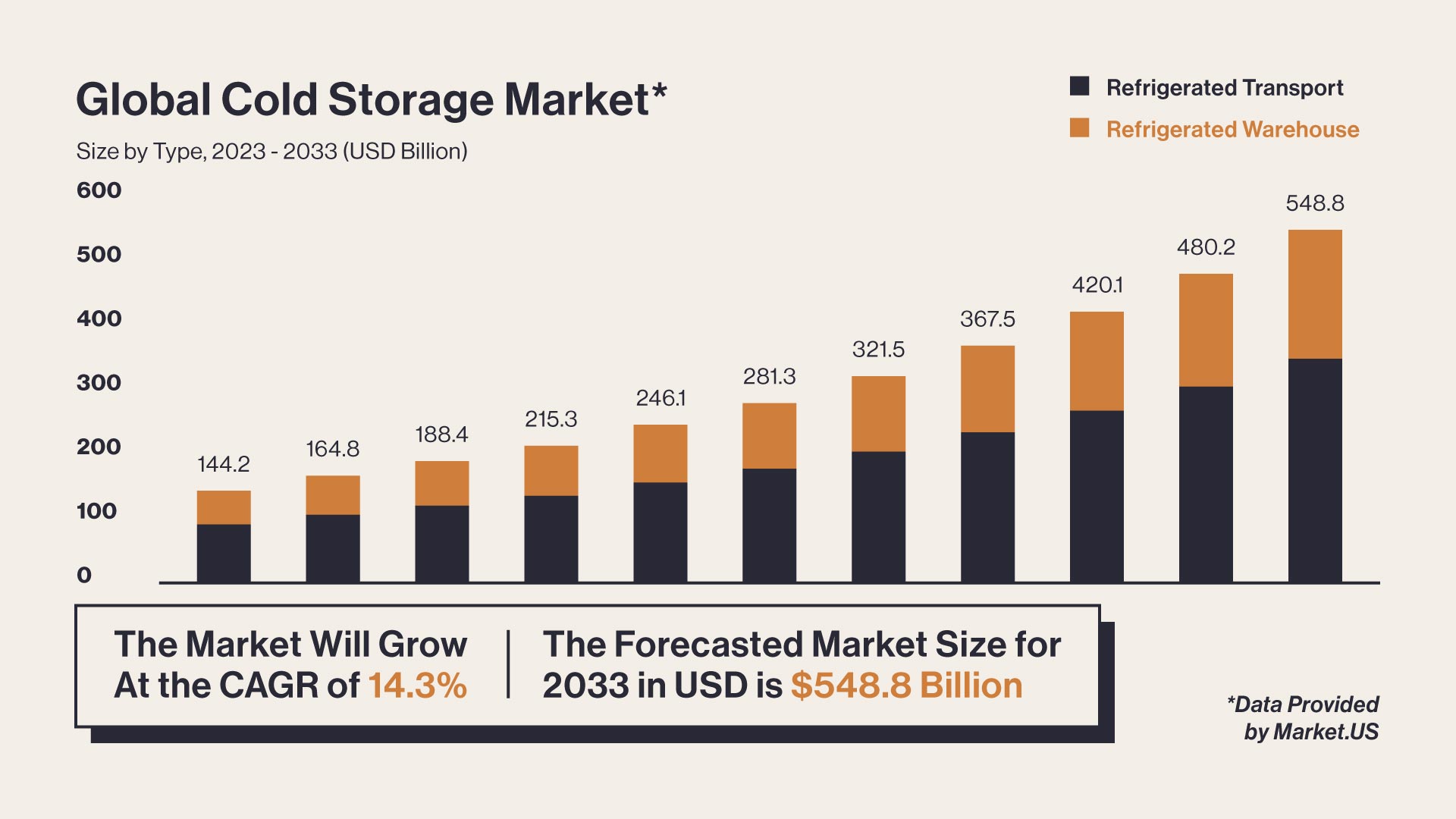
Cold Storage is Heating Up
Observers are predicting double-digit growth in the market for cold storage facilities through at least 2030, due in no small part to the increase in online ordering of food, groceries, meal kits, and even some pharmaceuticals. This spells good news for new cold storage facilities being constructed. But it also bodes well for older, non-refrigerated facilities because of the possibilities that upcycling presents. By investing in new refrigeration technology for these older facilities rather than building a new facility from the ground up, investors and owners can be future-ready, helping satisfy the coming demand for cold storage without as much capital expenditure up front.
However, there are some watchouts that make some facilities unsuitable for upcycling. For example, insufficient power coming into the building can limit the amount of equipment that can be installed. Some facilities are unsuitable because they don’t offer sufficient height clearance. Others don’t work well because they may have too many support columns to allow the necessary equipment to be installed. But with the right facility, and a multidisciplined partner that has extensive refrigeration and electrical experience, an investment in an older facility can yield immense possibility.
Upcycling to Automation
For many, automation presents a way into the future. But it comes with its own set of variables, including power consumption, structural suitability, and increased scrutiny on the return that automation investment delivers.
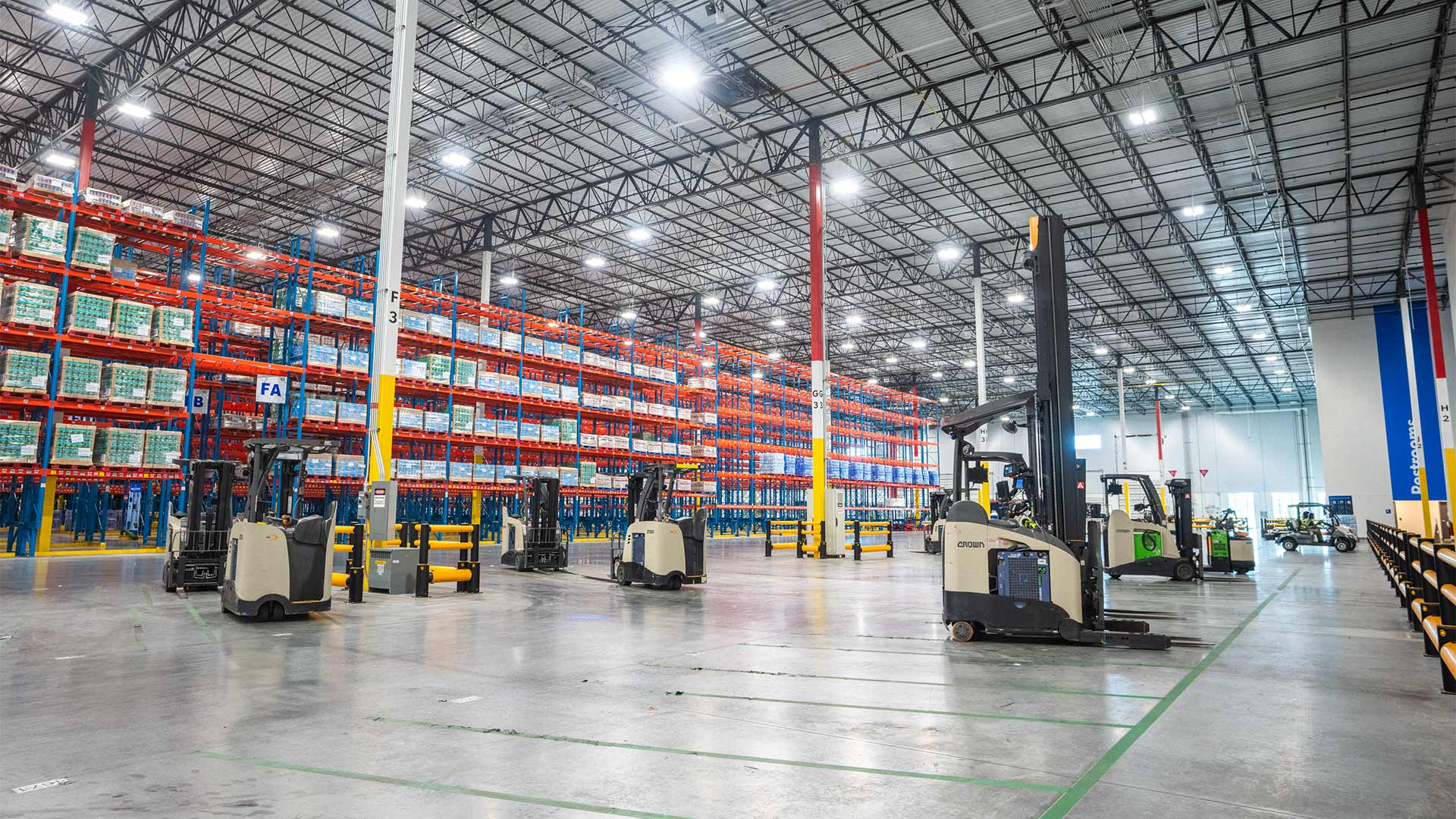
Some existing warehouses may present an opportunity for technology to give new life to older facilities through automation. Much like cold storage, though, there are several factors that must be taken into consideration. Automated supply chain storage requires a lot of electrical power, which may necessitate an upgrade to the wiring and power distribution. Another consideration is building height, because without enough clearance overhead, many automation systems simply won’t fit. Adding height can prove extremely costly and, in some cases, simply not feasible. The building floor must also be suitable for automation, which means it must be extremely flat, and strong enough to support the weight that automated systems will place upon it as they move back and forth throughout the day.
HFA has worked on multiple facilities to help upcycle existing storage by repouring and resurfacing floors to make them stronger and flatter. Another way to accommodate the demands of modern automation? By upgrading electrical connections, older facilities can be transformed into new, future-ready facilities poised for what’s to come.
Subdividing is Smart
Another trend that is helping to satisfy changing demands in logistics is subdivision. While demand for large storage facilities is still strong, there is an increasing need for smaller, conveniently accessed spaces as well. This presents a fantastic opportunity for investors and owners of larger properties to diversify their portfolio and be prepared for future trends by subdividing their larger footprints into many smaller ones, thereby positioning them to be ready to meet both kinds of demand.
With multiple tenants using smaller spaces, property owners and investors will no longer be dependent on the needs of one single entity. With a space that isn’t subdivided, one large tenant that decides not to renew can create a substantial financial risk. But if the space is occupied by multiple smaller tenants, the loss of one doesn’t create as much of a financial hit. In fact, one of the existing tenants may be eager to pick up the additional space created by the vacancy.
Subdividing also opens up the opportunity for smaller tenants to right-size their storage needs by renting one or multiple smaller spaces, allowing property owners and investors to offer more flexible, scalable storage needs. This is especially valuable in supply chains that depend on last-mile storage, because owners and investors can now offer a greater variety of regional storage in relevant locations. Furthermore, having multiple smaller spaces can also attract manufacturers who have changing storage needs based on seasonal demand.
Implementing ESG
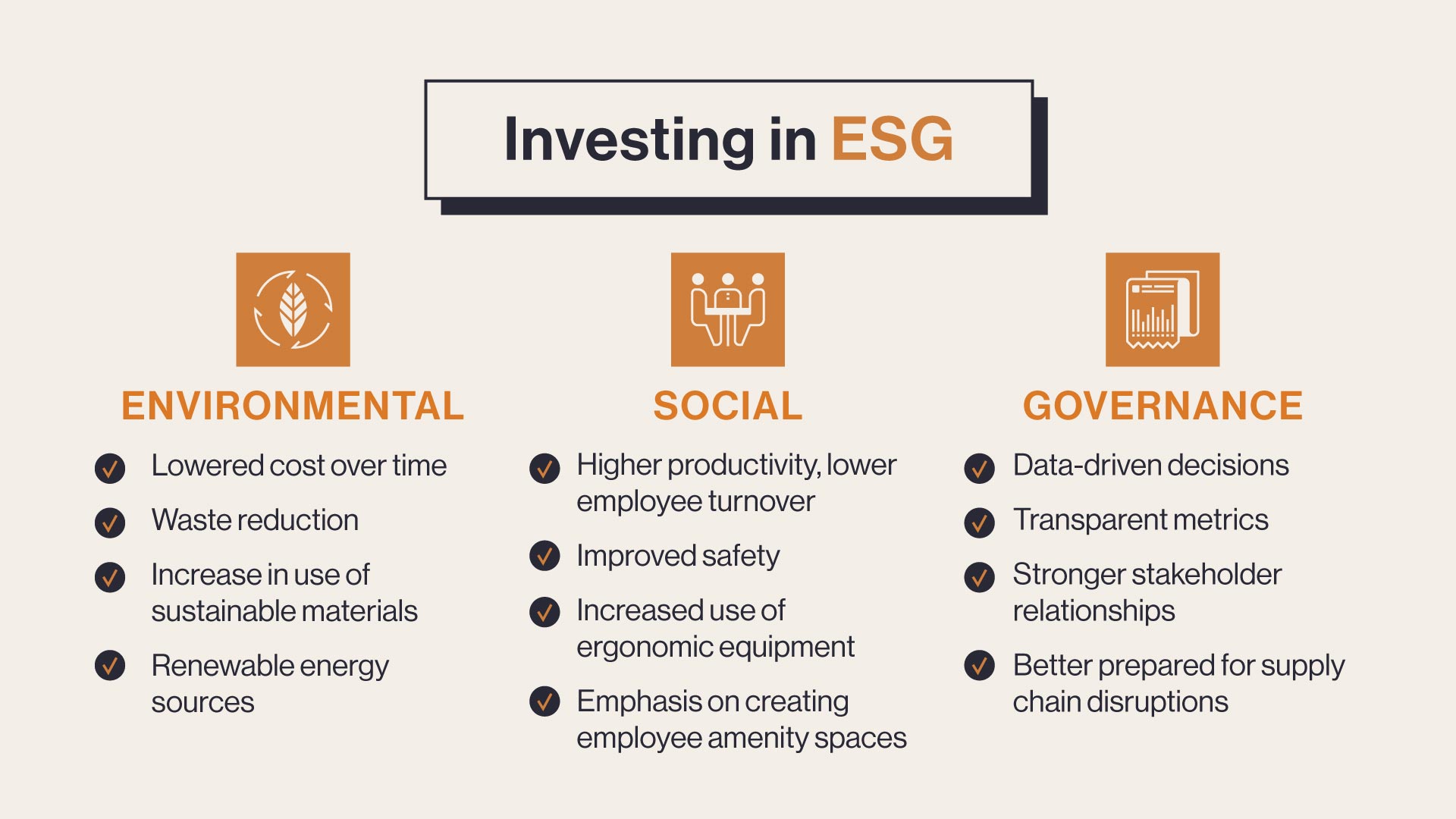
To further future-proof your operation, investments in Environmental, Social, and Governance will help maintain compliance and responsibility even as standards and practices evolve. One area of particular interest is that of power requirements. Investing in larger power capacity may make a property more attractive for manufacturing purposes, but a simultaneous investment in more efficient equipment can not only help lower overall utility costs but also satisfy environmental requirements for investors and vendors alike.
Whatever needs may arise for new construction or upcycling an existing space, HFA is the single-source partner that will help foster success. Our extensive experience can help companies make smarter decisions today that will benefit them long into the future, while also helping manufacturers streamline operations at every turn.
.avif)



.avif)